Peptide Screening: Hplc & Mass Specification Purity Overview Pinnacle
Peptide Pureness Guide 98%, 99% & Research-grade Discussed Prg
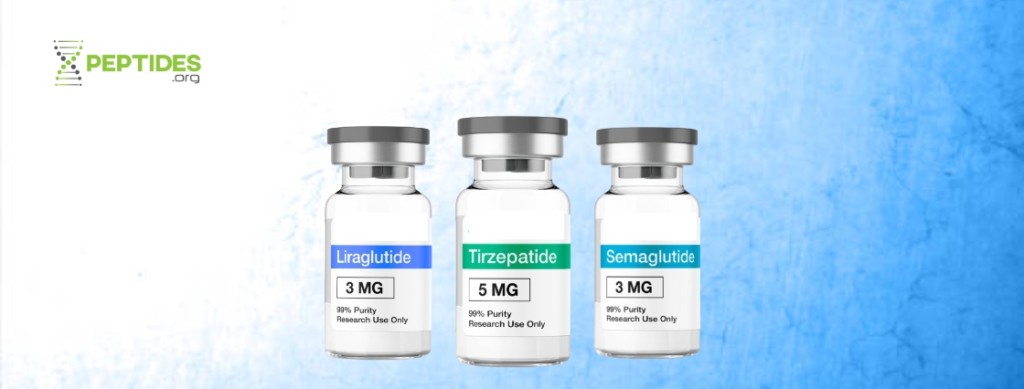
- All peptides offered by Peak Laboratory are intended solely for in-vitro research laboratory research study use and are except human consumption.
- We provide all the technical information and guidelines for each and every step of peptide synthesis and evaluation.
- It does not turn a research substance into a professional item, and it does not change speculative recognition in the researcher's very own system.
- This figure stands for just how much of the sample is made up of the wanted peptide sequence.
- Our mission is to support scientists with high-purity, validated substances that satisfy the needs of contemporary scientific research study-- nothing more, nothing much less.
Can Hplc Spot Peptide Destruction?
If you've ever before surfed a peptide magazine, you have actually seen pureness numbers everywhere. These numbers get thrown around so often that it's easy to gloss over them-- just an additional specification on a product web page. Chameleon Peptides offers study substances exclusively for lab and logical purposes. All PRG items are planned exclusively for in vitro research study or more production usage. Utilizing a very cleansed peptide decreases these dangers and enhances the integrity of your data.
They are classified "for study use just" to explain that they are meant for artificial insemination experiments or animal studies, except any form of human use. As a matter of fact, a laboratory offering peptide testing must deliver data meeting the rigorous logical assumptions of firms like FDA and EMA [4] By using a certified third-party lab, peptide manufacturers or researchers guarantee an honest and expertly recorded evaluation of high quality, which is specifically what assessors look for. In addition, recurring independent screening sustains conformity in set release and quality assurance. Lab validation for peptides implies utilizing scientific tests to verify a peptide's identification, pureness, and composition. In practice, this typically entails third-party or independent testing by an external laboratory to validate that a peptide product really contains what the tag declares [2]Where Can I Get Lab Tested Peptides?
It is an area-percent purity dimension, not a total identity or task examination. Notably, purity percentages describe chemical make-up just-- they do not show sterility Click here or biological suitability. Peptides from Maxed Out Compounds are supplied specifically for laboratory research use and are not meant for human or veterinary objectives. Peptide purity is normally expressed as a percent, such as 95% or 98%. This number stands for just how much of the example is made up of the desired peptide sequence. For the majority of research laboratory applications, a pureness of 95% or greater is taken into consideration research-grade. 
BOC Sciences provides detailed peptide screening services to clients throughout industries, making certain items meet stringent market requirements and ensuring product consistency, safety and security, and efficiency. It likewise sustains traceability-- each set's lab validation report can be connected to its COA and regulatory filings, producing a clear proof. In other words, rigorous laboratory validation is how you prove to regulatory authorities that your peptide satisfies all top quality specs. It aids prevent compliance problems such as failed audits or item recalls due to top quality defects. This not just pleases legal requirements however eventually safeguards client safety and security.
If the COA notes "complete pollutants", that enhances the pureness number (e.g., 98% purity indicates 2% overall impurities). Numerous COAs also specify known or "specified impurities" versus unspecified ones, each with their specific percents if above a particular threshold. This degree of information aids researchers understand if any minor peptide byproducts are present. If you see numerous huge optimals of similar elevation, you're taking a look at either a low-purity sample or a blend. If the primary peak has a visible "shoulder"-- a bump on one side-- that frequently indicates a carefully associated impurity (like a removal peptide) that the column could not completely resolve. The peptide is travelled through a basic purification step (often gel purification or a fast reversed-phase cleaning) to remove salts, small-molecule results, and scavengers from the cleavage step. Not every application needs 99% pureness, and filtration is a substantial component of peptide manufacturing cost. Trace quantities of solvents utilized throughout synthesis and filtration-- acetonitrile, dimethylformamide (DMF), dichloromethane-- can remain in the end product. These are typically present at very low levels in correctly produced peptides and are controlled by ICH Q3C guidelines for acceptable restrictions. If the target peptide's peak accounts for 99.1% of the complete top location, the peptide is reported as 99.1% pure by HPLC. Many respectable research study peptide suppliers utilize third-party labs; some conduct internal testing with magazine of laboratory credentials.